
Top 10 Aspirations (2020-2025)
The Board of Directors on December 21, 2019 approved a 6-year strategic plan that seeks to contribute to a scalable socio-economic transformation of 140,000 people (70% nationals and 30% refugees; 60% females; and
25% youth) in the West Nile region through the “Inspire – Empower – Account” approach in order to change the scarcity mindset that perpetuates intergenerational poverty so that poor families can thrive. Poor people need to dream; dream big. Using their abundant God-given gifts (strategic geographical location, fertile land and water bodies, and energetic family members) with the right mindset and clear goals (aspirations); the right knowledge and skills, technologies, connections and hard work (empowerment); and a transparency and accountability systems, poor people will be able to start the journey out of hunger and extreme poverty.
By 2025, AFARD’s overall goal is: Reduced hunger and extreme poverty in 20,000 peaceful families so that in these households: 65% are hunger free; 50% exit extreme poverty; and 65% of women and youth are empowered. To achieve this ambition, the following will be delivered:
- 20,000 households have kitchen gardens.
- 20,000 households have pit latrines with hand washing facilities.
- 500,000 trees are planted and surviving.
- 15,000 households own profitable income generating activities.
- 10 functional multipurpose cooperatives are established.
- 5,000 skilled youth own profitable enterprises.
- 10,000 households have high financial net worth.
- 25% of females use any form of family planning method acceptable to them.
- 250 community groups accessed local government budget support.
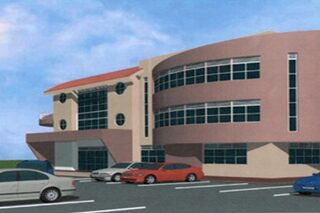
- AFARD office block is completed.
To do so, four strategic pillars will be pursued:
- Pillar 1: Nutrition-sensitive agriculture for more production and consumption of diversified foods;
- Pillar 2: Inclusive market participation for decent employment in strategic agribusiness and vocational labor markets;
- Pillar 3: Voice and accountability for responsive and people-centred decentralized local governance; and
- Pillar 4: AFARD organizational development to strengthen AFARD’s operational capacity and financial base.